
From Fast Fashion to Sustainable Style: A Guide to Making Ethical Fashion Choices
Consumers are waking up to the impact of their clothing choices — on the environment and on the makers behind every garment.

As a result, there is growing interest in ethical fashion. In this blog, we will explore why people care about ethics when buying clothes and provide some tips on how to make ethical fashion choices.
Why People Care About Ethics When Buying Clothes
There are several reasons why people care about ethics when buying clothes. One of the main reasons is concern for the environment. The fashion industry is one of the most polluting industries in the world. It consumes vast amounts of resources, including water, energy, and raw materials, and produces huge amounts of waste and greenhouse gas emissions. Consumers are starting to realize that their choices can have an impact on the environment and are looking for ways to reduce their environmental footprint.
Another reason why people care about ethics when buying clothes is concern for the people who make the clothes. The fashion industry is notorious for its labor abuses, including low wages, long hours, and unsafe working conditions. Consumers are starting to realize that the clothes they wear are often made by people who work in difficult and often exploitative conditions. As a result, they are looking for ways to support brands that treat their workers fairly and provide them with safe and healthy working conditions.

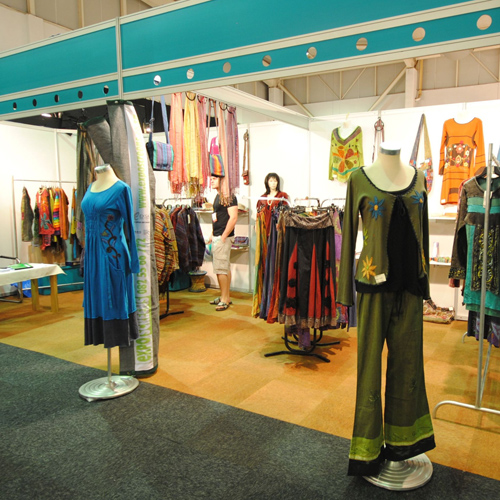
Contrasts Between Fast Fashion and Ethical Fashion
The fast fashion industry is the opposite of ethical fashion. It is a business model that prioritizes speed and volume over quality and sustainability. Fast fashion brands produce clothes quickly and cheaply, using low-quality materials and labor practices that often involve exploitation. The goal is to produce as much as possible and sell it as quickly as possible, often at prices that are too good to be true.
Ethical fashion on the other hand is a movement that seeks to create clothes that are made sustainably and with respect for the people who make them. Ethical fashion brands prioritize quality over quantity and often use sustainable materials and production methods. They also pay their workers fair wages and provide them with safe and healthy working conditions. The goal is to create clothes that are not only stylish but also socially and environmentally responsible.
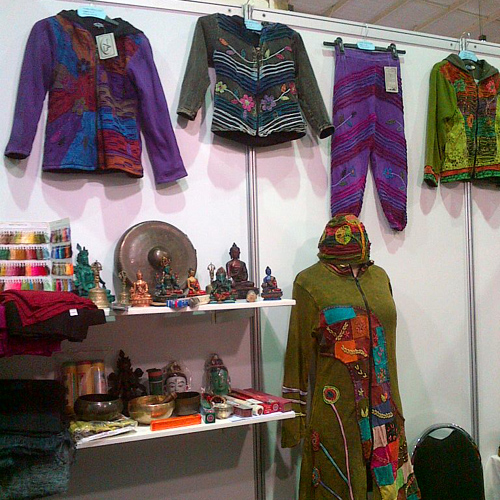

Why People Feel the Need to Purchase Either Fast Fashion or Ethical Fashion
Despite the many concerns about the fast fashion industry, it remains popular with many consumers. There are several reasons for this. One reason is affordability. Fast fashion brands offer clothes at prices that are often lower than those of ethical fashion brands. This makes them accessible to people who cannot afford to spend a lot of money on clothes.
Another reason why people purchase fast fashion is convenience. Fast fashion brands produce clothes quickly and make them available in stores and online almost immediately. This means that consumers can quickly and easily buy the latest trends without having to wait. On the other hand, there are also several reasons why people choose to purchase ethical fashion. One reason is concern for the environment and the people who make the clothes. Many consumers are starting to realize that the choices they make have an impact on the world around them and are looking for ways to reduce their environmental footprint and support ethical labor practices.
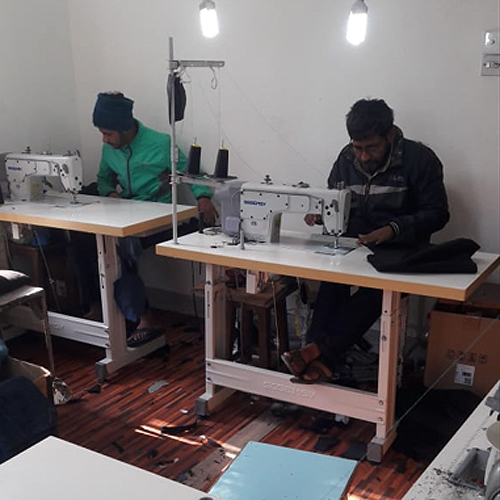

Another reason why people choose to purchase ethical fashion is a desire for quality and longevity. Ethical fashion brands often produce clothes that are made to last and are of higher quality than fast fashion brands. This means that consumers can buy fewer clothes and still have a wardrobe that is both stylish and functional.


Tips for Making Ethical Fashion Choices
Research Brands: Before making a purchase, research the brand to see if it is committed to ethical and sustainable practices. Look for brands that use sustainable materials and production methods, pay their workers fair wages, and provide safe and healthy working conditions.
Shop Second-hand: Shopping second-hand is a great way to reduce your environmental footprint and support a circular economy. You can find unique and stylish pieces at thrift stores, flea markets, consignment shops, and online marketplaces.
Invest in Quality Pieces: Rather than buying lots of cheap clothes, invest in high-quality pieces that are made to last. Look for clothes that are made from sustainable materials like organic cotton, linen, or bamboo. These materials are more durable and better for the environment than synthetic fabrics.
Choose Sustainable Materials: When buying new clothes, look for materials that are sustainable and eco-friendly. Organic cotton, linen, bamboo, and hemp are all good choices. These materials are grown without harmful chemicals and are biodegradable.
Support Local and Independent Brands: Supporting local and independent brands is a great way to promote ethical and sustainable fashion. These brands often have a smaller environmental footprint and are committed to ethical labor practices. They also tend to produce unique and original designs that you won't find in mainstream stores.
Consider the Full Lifecycle of Your Clothes: When buying clothes, think about the full lifecycle of the garment. Consider how it was made, what materials were used, and how it will be disposed of when you no longer need it. Look for clothes that are made with biodegradable materials and can be recycled or repurposed.
Reduce, Reuse, Recycle: The three R’s of sustainability are a great way to reduce your environmental footprint when it comes to fashion. Reduce the amount of clothing you buy, reuse clothes as much as possible, and recycle or repurpose clothes when you no longer need them.


Making ethical fashion choices is important for both the environment and the people who make our clothes. While the fast fashion industry remains popular, consumers are starting to realize that they have a choice when it comes to the clothes they wear. By choosing ethical and sustainable fashion, we can reduce our environmental footprint and support brands that treat their workers fairly. By following these tips for making ethical fashion choices, we can all do our part to create a more sustainable and just fashion industry.